
I was having lunch with a new friend recently. She’s a widow in her 70s and we’ve gotten close as we are also neighbors. As we chatted, she brought up her husband who had died about two years ago. She felt she was starting to come out of the grief, but mentioned that shortly after his death, some of their friends at the time – the couples they used to go out with, began to distance themselves from her. They stopped including her when she needed them most.
It was clearly very hurtful to her and it made me think about how we treat people who are going through grief. Do we ignore them? Do we include them? Do we say we’re sorry or do we take the easy way out of uncomfortable moments and just not deal with it?
It’s a situation everyone faces eventually – and many times over a long life. A good friend – or maybe just an acquaintance, has lost a parent, a spouse, or the unthinkable – a child. We want to offer our condolences, but what could we possibly say that could be comforting? And what if we say the “wrong thing” and make them feel worse? Would they rather we just leave them alone?
When we are close with the grieving party, it’s natural to surround them with love and comforting gestures, but what does one say when we see them in the grocery aisle a week later? Sadly, many times, it’s easier to look away, pretend not to notice them and avoid an awkward sad interaction. But for many on the suffering side, that lack of acknowledgement – of not offering any words, just adds to the pain.
When my brother died tragically in a plane crash over thirty years ago, the reactions from other people varied widely. His accident was a national news story, so almost everyone in our smallish town knew of his death.
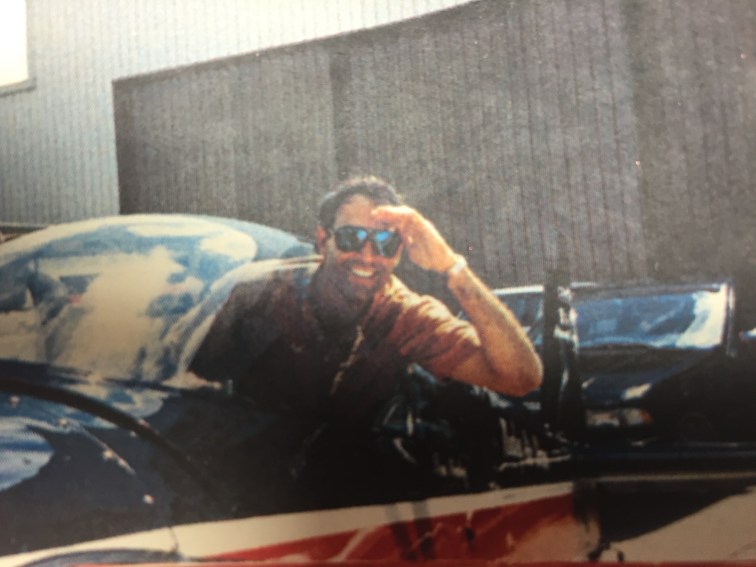
I will never forget the words of kindness so many friends, and even strangers offered. They’d recount memories of my brother, or they’d just say with sincerity how sorry they were. But there were other times when people would see me and with a sheepish look, avoid contact. And I understood – because it’s so hard to know what to say in the face of such a loss.
Experiencing the loss of a close family member changed the way I respond to others in similar circumstances. Whenever and however possible, I make an effort to let them know that their loved one will not be forgotten – and that their pain and loss is acknowledged.
It’s not always easy but it can be the simplest of gestures or the simplest of words. I’ve found that most people appreciate a heartfelt effort even if the words or methods are aren’t perfect.
Several readers offered their thoughts on approaching a grieving friend or acquaintance.
Julie Tressler says, “I meet people where they are, everyone grieves differently. Some people want to talk about their loved one, others don’t. Just be open and honest, “I don’t understand what you are going through, how can I help?” Grief is unpredictable and unique in each person.”
Kathy Young shared her personal story. “After losing two of my own babies, three siblings, and all four of our parents I say it’s better to say something, than nothing at all. “I’m sorry” is sufficient. “I’m sorry you’re going through this” is better because it keeps you in my space a little longer. Those words accompanied by a hug or pat on the arm is even better. But please, please don’t ignore us because you don’t know what to say. That hurts worse.”
Maria Vasquez de Leon also lost two babies and felt her loss was ignored by some. “I tried not to take it personally. I think it’s just uncomfortable for some people to bring it up. I was taught to always give condolences no matter who it is. I remember being five years old and we went to visit a family that had just lost their grandpa. My mom sat me down explained that the family was sad and it would be kind to acknowledge their pain and if even though we couldn’t “fix it”, we just needed to let them know we were there for them. I walked into the home with my Strawberry Shortcake doll and hugged each person saying “I know you’re sad but I’m here.” To this day, I still say the same thing.”
When Libby Herr lost her mother recently, her perspective on loss also changed. “Now that I have lost someone so significant in my life, I have an entirely new understanding of how profound the feeling of loss is for others. I was always sympathetic, but going through it with a close loved one gives a deeper empathy and understanding to the magnitude of the loss. There are no words to prepare for or lessen the feeling of loss. But the kindness of others gets etched in your memory when you’re in the midst of the grief.”
She adds, “it’s the time-honored traditions that helped lift my family up. The flowers, the cards, the meals – all meant so much. Lifelong friends who took time off work and out of their week to attend the visitation and/or services was so meaningful. Friends and family who came in from out of town brought tears to my eyes. You know that others are acknowledging your loss and honoring and sharing the gravity of grief. Those seemingly small gestures make a huge impact.”
In times of grief, even the simplest words and gestures show that we care, that loved ones aren’t forgotten. They acknowledge pain and loss and assure the grieving that they are seen and loved and cared for. Making the effort to let others know we care won’t diminish their sadness or bring a loved one back, but it shows that they are not alone in their suffering.
 Midlife Musings
Thanks for this post exploring a very sensitive topic and this is so important, “… acknowledging your loss and honoring and sharing the gravity of grief. Those seemingly small gestures make a huge impact.”
LikeLiked by 1 person